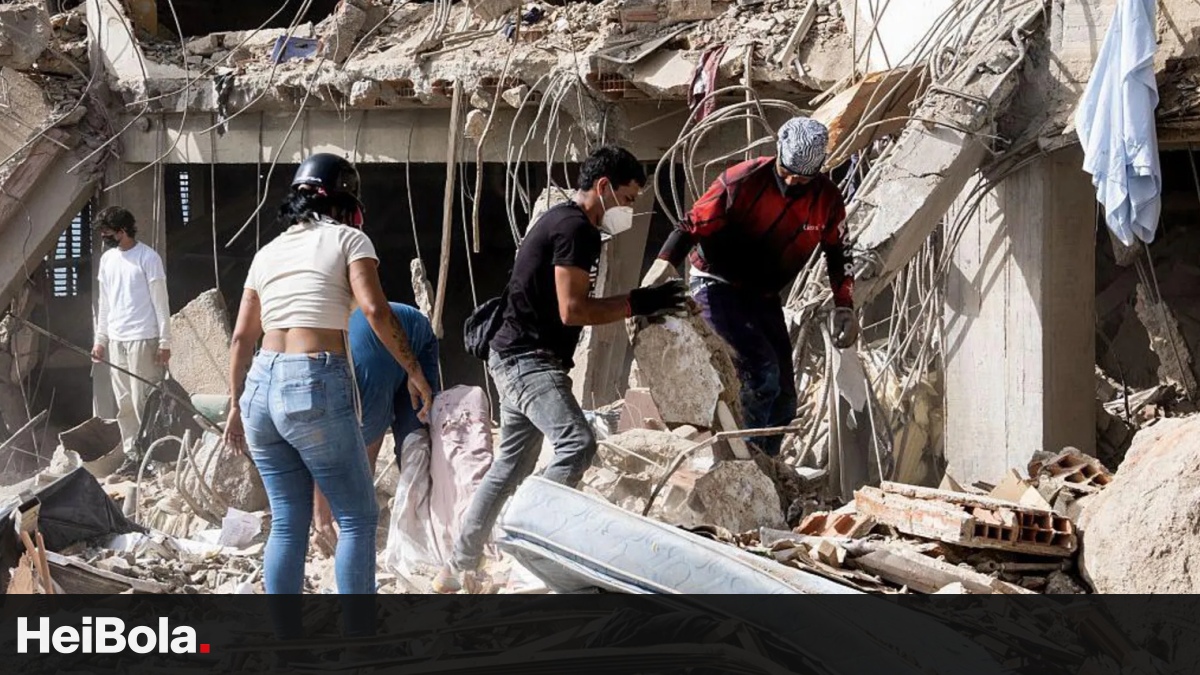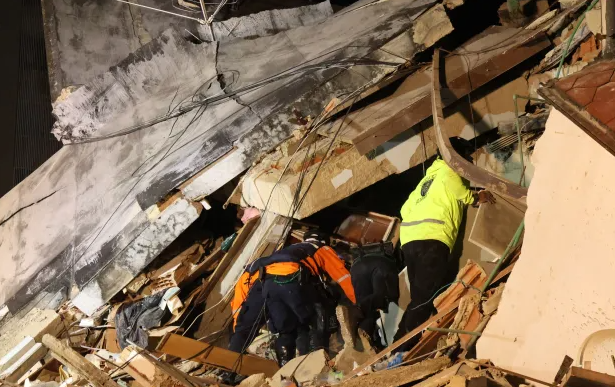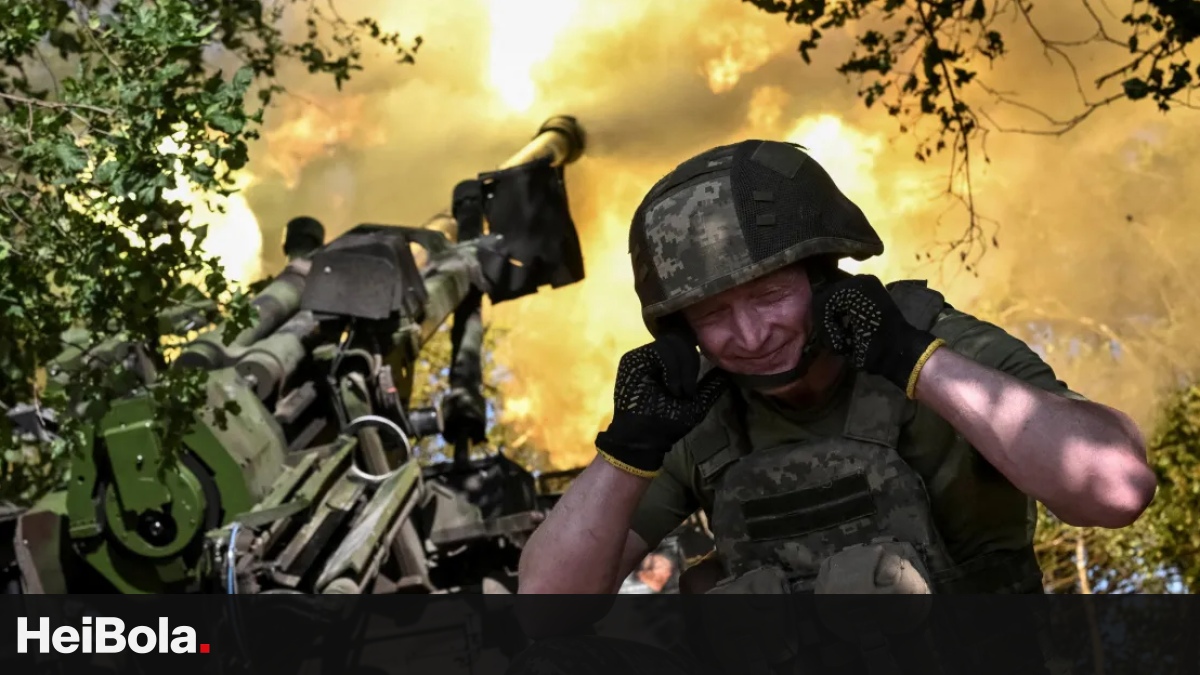

The United States and Iran have engaged in military strikes against each other for the first time since signing a memorandum of understanding (MoU) last week, escalating tensions just days before scheduled diplomatic talks.
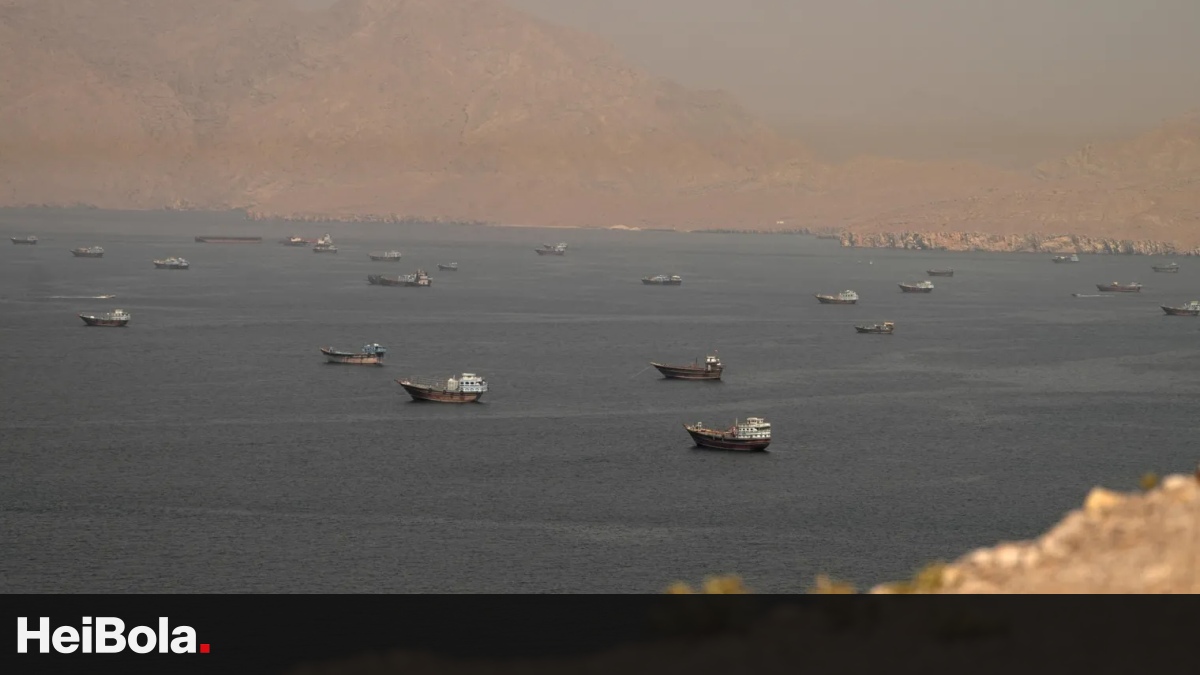
The US military conducted these strikes in retaliation for a drone attack on a cargo ship in the Strait of Hormuz, which US President Donald Trump attributed to Iran.

Iranian state media reported that a projectile struck near a pier in Sirik, while the Islamic Revolutionary Guard Corps (IRGC) claimed responsibility for targeting US military sites in the region as retaliation.
Iran's Foreign Ministry condemned the US strikes, asserting that they violated Article 1 of the MoU, which grants Tehran control over ships transiting the strategically vital Strait of Hormuz.

In a statement, the IRGC Navy indicated that it responded to what it termed US aggression by targeting US military deployment sites. As of the time of publication, there were no reports of US casualties resulting from these strikes.
An Iranian Member of Parliament, Ebrahim Azizi, criticized the US actions during negotiations, stating that they demonstrated a lack of commitment to diplomacy.
On the US side, Central Command (CENTCOM) confirmed that its strikes targeted Iranian missile and drone storage locations, as well as coastal radar sites. Following the military actions, US Vice President JD Vance issued a warning that “violence will be met with violence,” underscoring the heightened tensions between the two nations.
The National Iranian American Council (NIAC), a nonprofit lobbying group in the US, expressed dismay over the escalation, urging both countries to resolve disputes through diplomatic channels rather than military means.
Meanwhile, discussions regarding a communication line between the US and Iran to mitigate tensions in the Strait of Hormuz have reportedly not been established, according to statements from the IRGC.