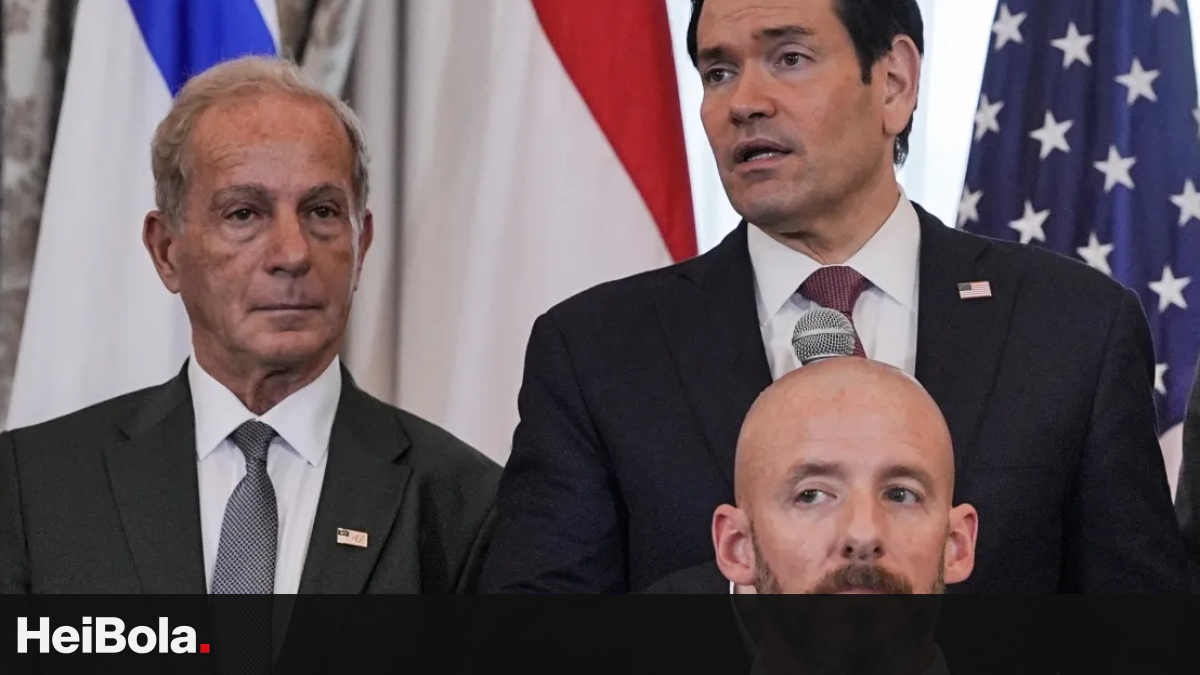
A framework agreement between Israel and Lebanon, announced following negotiations in the United States, has generated cautious optimism in Israel. The agreement outlines a process for the Lebanese army to restore authority over its territory, contingent on the disarmament of non-state armed groups, specifically Hezbollah.
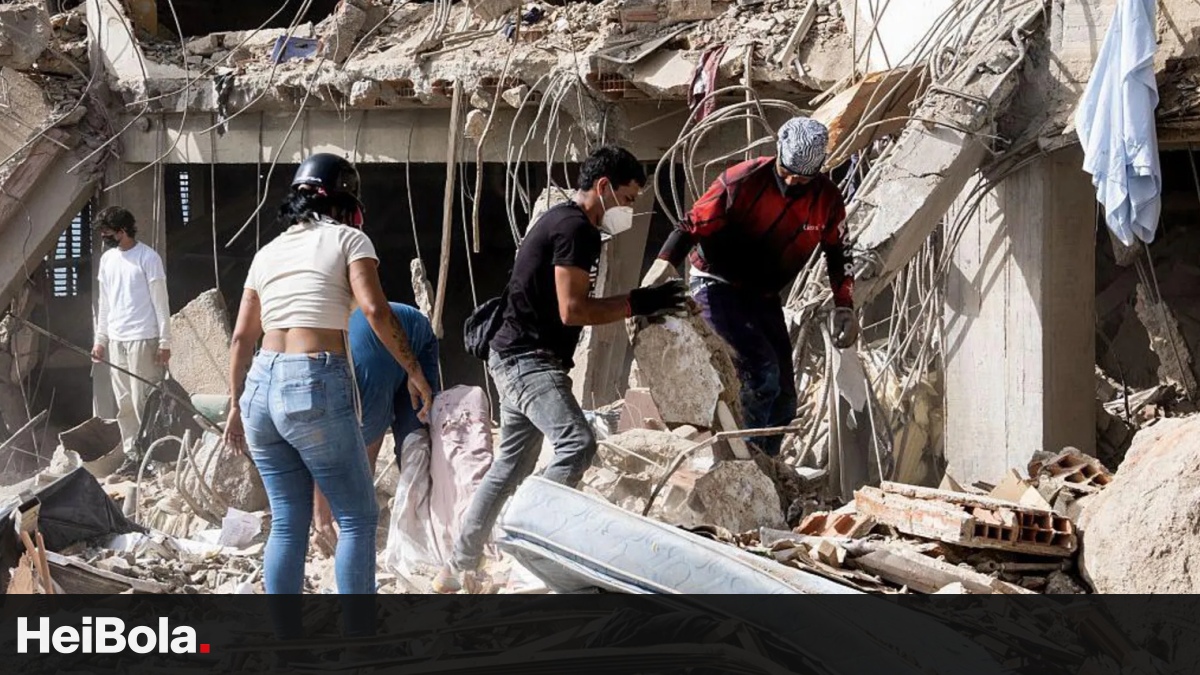
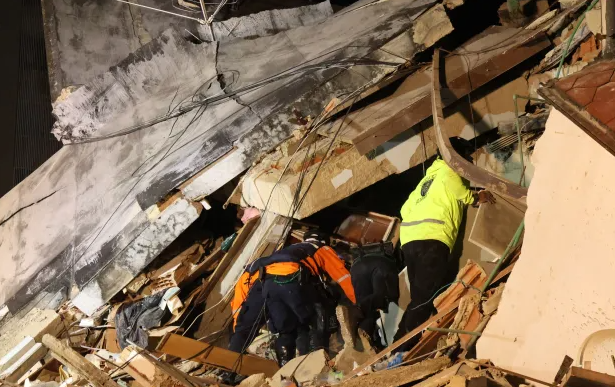
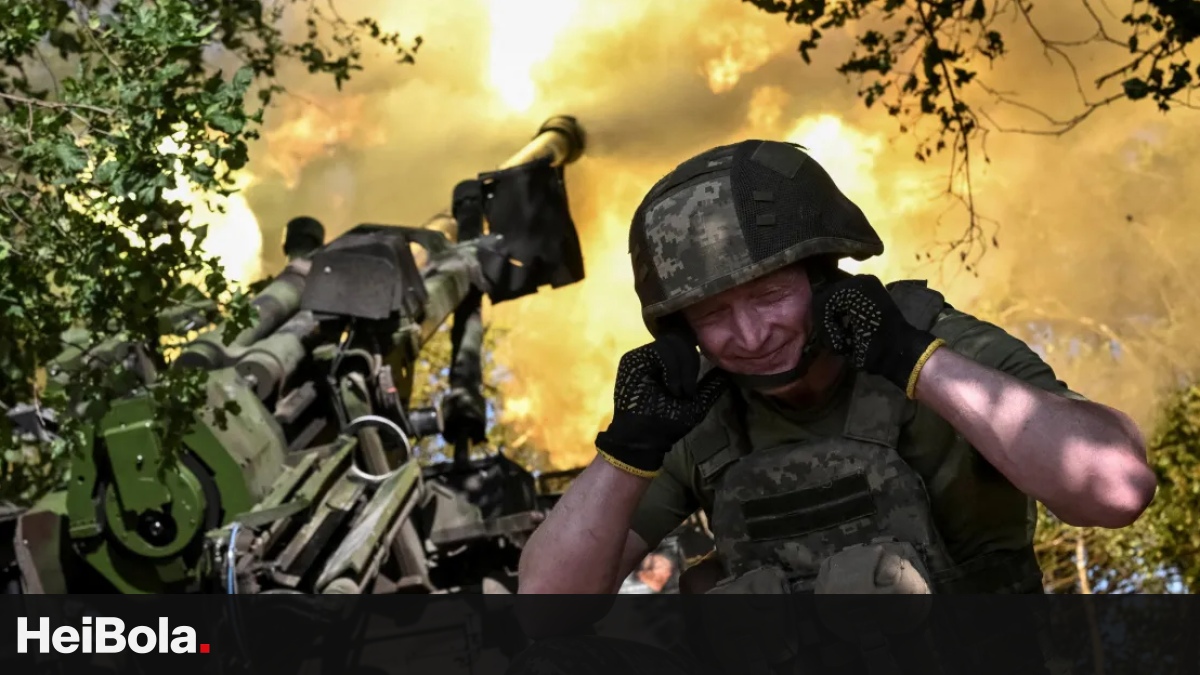
The deal, finalized on June 27, 2026, allows for a gradual Israeli military withdrawal from southern Lebanon, where Israeli forces have been stationed since early March. This renewed offensive has resulted in over 4,000 casualties.
The framework does not detail verification measures for disarmament but identifies two pilot zones for initial Israeli troop withdrawal, where the Lebanese military will assume security responsibilities. Yossi Mekelberg from Chatham House remarked that the effectiveness of the agreement will depend on its implementation.
Hezbollah has outright rejected the agreement, with Secretary-General Naim Qassem calling it “null and void.” He emphasized that the Iran-US memorandum should serve as the basis for resolving the conflict, dismissing external roles in Lebanon.
Reactions within Israel's political landscape have been mixed. Opposition leader Yair Lapid criticized the framework for potentially allowing Iran to continue funding Hezbollah. Other politicians echoed concerns that the agreement merely manages the threat from Hezbollah rather than eliminating it.
Local leaders in northern Israel expressed cautious optimism about the agreement. David Azoulay, head of the Metula Regional Council, stated that any Israeli withdrawal must be conditional on Hezbollah's disarmament. Eyal Shmueli from Kfar Vradim voiced skepticism, citing past failures of the Lebanese government to disarm Hezbollah.
Ahron Bregman from King’s College London characterized the framework as an attempt by Israel and the US to diminish Iranian influence in Lebanon, predicting it would ultimately fail. He noted that neither Hezbollah nor Iran is likely to relinquish their arms, viewing the agreement as another in a series of unsuccessful Israeli-Lebanese negotiations.