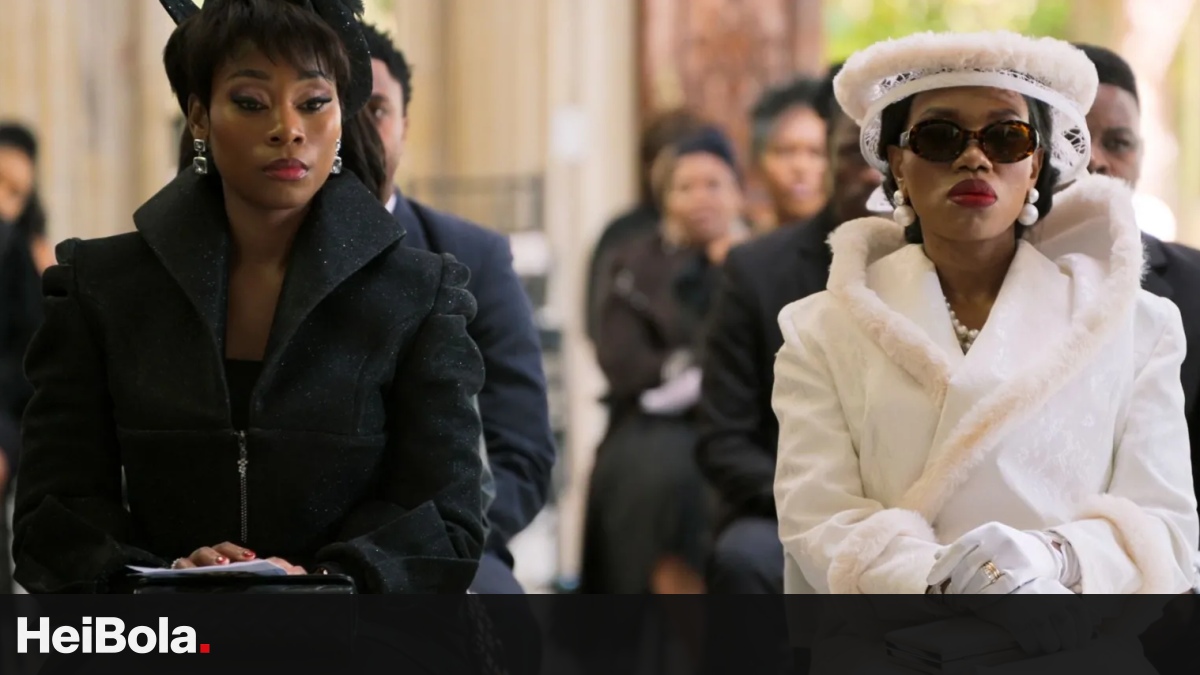
Netflix's new drama series The Polygamist, released on June 12, has generated significant discussion globally about marriage, betrayal, and polygamy. The 22-episode Zulu-language show follows Johannesburg businessman Jonasi Gomora, whose funeral reveals he has multiple wives and a mistress.
The series begins at Jonasi's funeral, where his widow Joyce, a social media influencer, confronts the complexities of their relationships. The plot unfolds over five years, exposing toxic family dynamics and secrets that complicate the lives of the characters involved.
Since its release, The Polygamist has topped trend lists, particularly in South Africa and Kenya, where some taxis have been decorated with Jonasi's image, reflecting the show's popularity.
It attracted two million views in its first week and ranked fourth on Netflix's global top 10 list for non-English series, indicating a strong reception not just locally but across the continent.

Gugu Zuma-Ncube, one of the executive producers and daughter of former South African president Jacob Zuma, noted that the show’s reception has exceeded expectations. She stated, "A lot of the scenes that you see in the show are taken directly out of our lives," reflecting her own experiences in a polygamous family.
This personal connection adds depth to the narrative and resonates with viewers.
The series has sparked varied reactions, with some viewers expressing outrage over Jonasi's character, described as a "serial cheater" and an "opportunist". Critics have raised concerns about the portrayal of polygamy, with calls for the show to be banned in Kenya due to its negative representation of the practice.
Despite the controversy, The Polygamist has resonated with audiences, particularly women and children from similar backgrounds. The show addresses pressing issues like gender-based violence and sexually transmitted diseases, contributing to its impact on societal discussions surrounding polygamy.
The character of Jonasi has stirred strong feelings, with viewers noting how the show reflects broader social issues, including the normalization of broken families in contemporary society.