Ukraine has intensified its military operations against Russian logistics, particularly in Crimea and near Moscow, over the past week. This escalation follows Ukrainian President Volodymyr Zelenskyy's statement regarding Russia's relocation of air defense systems to protect key areas, including Moscow and the Kerch Bridge, which connects Crimea to the Russian mainland.
On June 22, Ukrainian forces targeted two Russian military satellite communication centers, causing significant damage. The Vladimir Space Communications Centre, located 200 kilometers east of Moscow, suffered critical damage to its main parabolic antenna, while the Dubna Space Communications Centre, 100 kilometers north of Moscow, also sustained damage to its 32-meter parabolic antenna.
These centers are crucial for Russia's ability to spy on Ukrainian maneuvers and coordinate military operations.
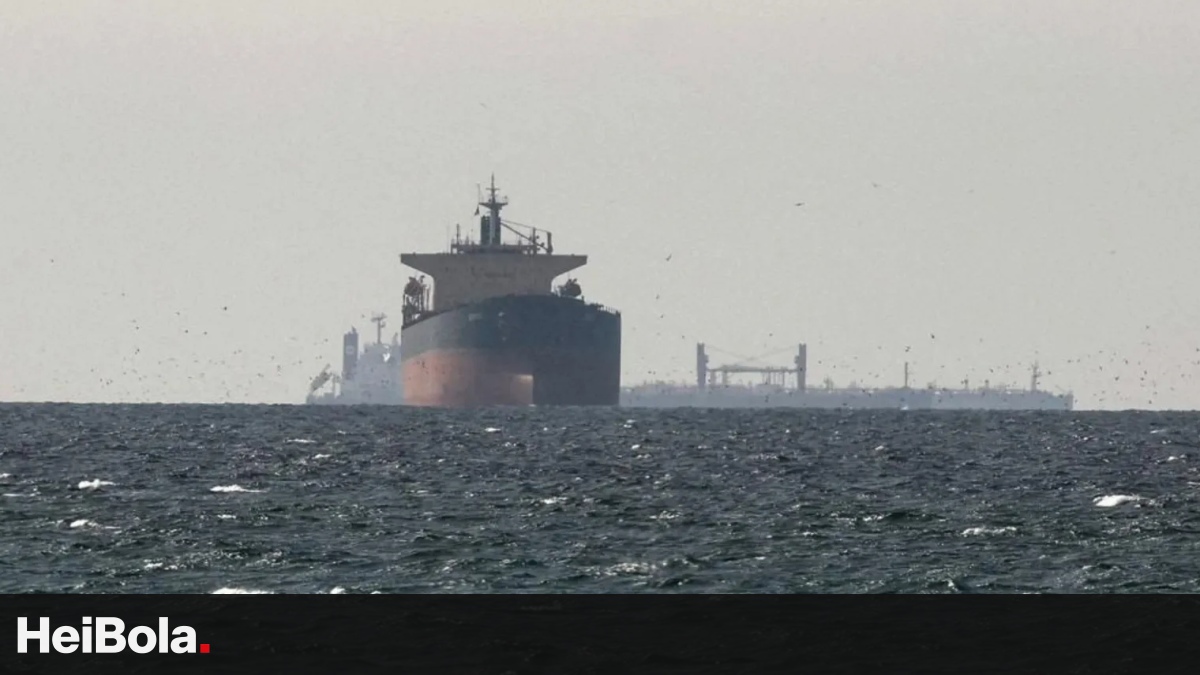
In Crimea, Ukraine disrupted fuel supplies and caused power outages by striking oil facilities on both sides of the Kerch Strait. The attacks targeted the oil terminal in Kerch and the port of Kavkaz, which are vital for transporting fuel to Russian front lines.

Geolocated footage confirmed that oil storage facilities were set ablaze, and Ukrainian forces managed to disable four S-400 missile complexes and two Pantsir systems in the area.
Additionally, Ukrainian strikes on electricity plants resulted in power cuts in Sevastopol, Yevpatoria, and other parts of Crimea. In response, Crimean Governor Sergey Aksyonov suspended fuel sales to all but state services, and Sevastopol implemented fuel rationing, limiting private individuals to 20 liters per week. The city also canceled ferry services, banned outdoor gatherings, and turned off street lighting.
Analysts note that Ukraine's attacks have shifted focus from southern occupied regions to Crimea and Donetsk. A report by Russian independent newspaper Meduza indicated that the median attack depth has significantly increased, with over 500 attacks recorded between May 1 and June 18. This marks a shift in strategy, as Ukrainian forces have begun targeting deeper into Russian-held territory.
Ukrainian forces have also expanded their range of attacks inside Russia, striking facilities as far as 2,070 kilometers from Ukraine. Zelenskyy announced that new drones developed by a Ukrainian company are capable of reaching targets beyond this distance, further enhancing Ukraine's operational capabilities.
In a related development, Belarus reportedly deactivated transponders used for directing Russian drones toward Ukraine. This move came after Zelenskyy publicly warned Belarusian President Aleksander Lukashenko about potential Ukrainian action, indicating that Kyiv's threats may be influencing the dynamics of the conflict.