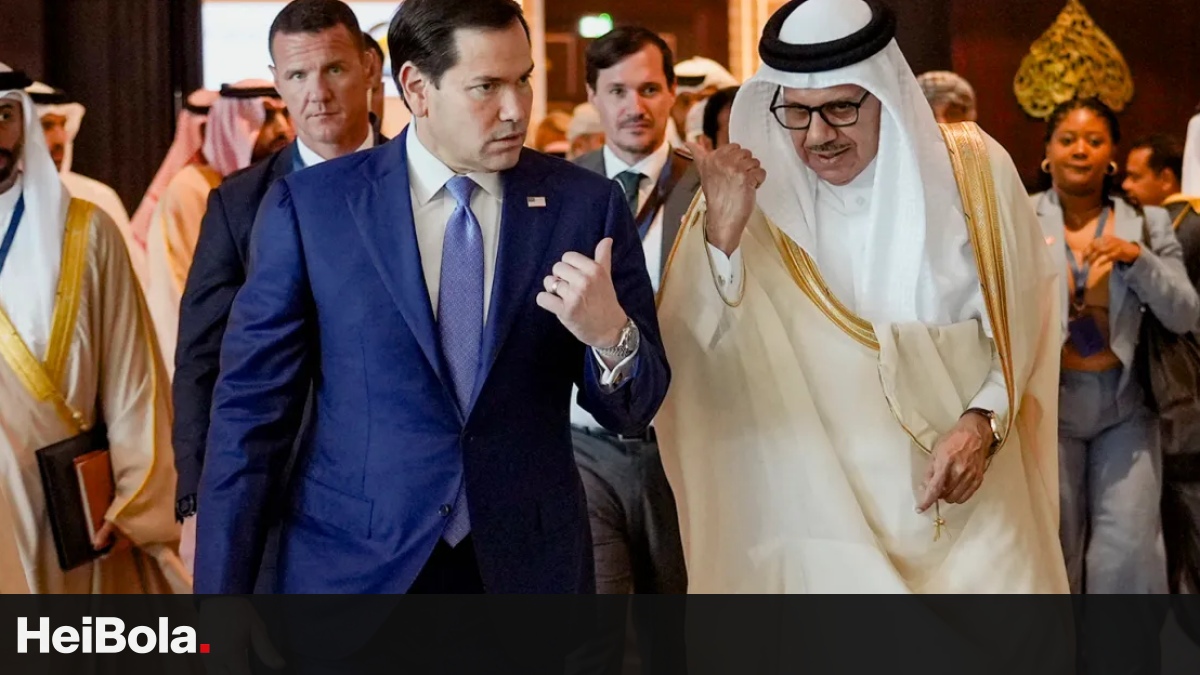
Iran has condemned a joint statement from the United States and the Gulf Cooperation Council (GCC) as "interventionist, irresponsible, and provocative." This reaction follows a ministerial meeting in Bahrain on June 25, where US Secretary of State Marco Rubio and Bahraini Foreign Minister Abdullatif bin Rashid Al Zayani co-chaired discussions on regional security concerns involving
foreign ministers from Kuwait, Oman, Qatar, Saudi Arabia, and the United Arab Emirates.
The US-GCC statement emphasized that any future economic engagement with Iran would be conditional and reversible, reiterating a shared objective of preventing Iran from developing nuclear weapons.
The ministers welcomed a memorandum of understanding signed between Washington and Tehran on June 17, but made it clear that trade with Iran would be contingent upon strict conditions.

Iran's Foreign Ministry rejected the communique, asserting that it distorted regional realities and echoed US and Israeli positions regarding Iran's nuclear program, missile capabilities, and its role in the Strait of Hormuz.
Foreign Ministry spokesperson Esmaeil Baghaei criticized Gulf states for seeking protection from the US, which he labeled as the "greatest violator of security." He emphasized that Iran is more committed to regional security than any other party.
The US-GCC statement also addressed the situation in Lebanon, calling for the disarmament of non-state armed groups, implicitly referring to Hezbollah. It stressed the need for full Lebanese sovereignty and support for the Lebanese Armed Forces in achieving this goal.
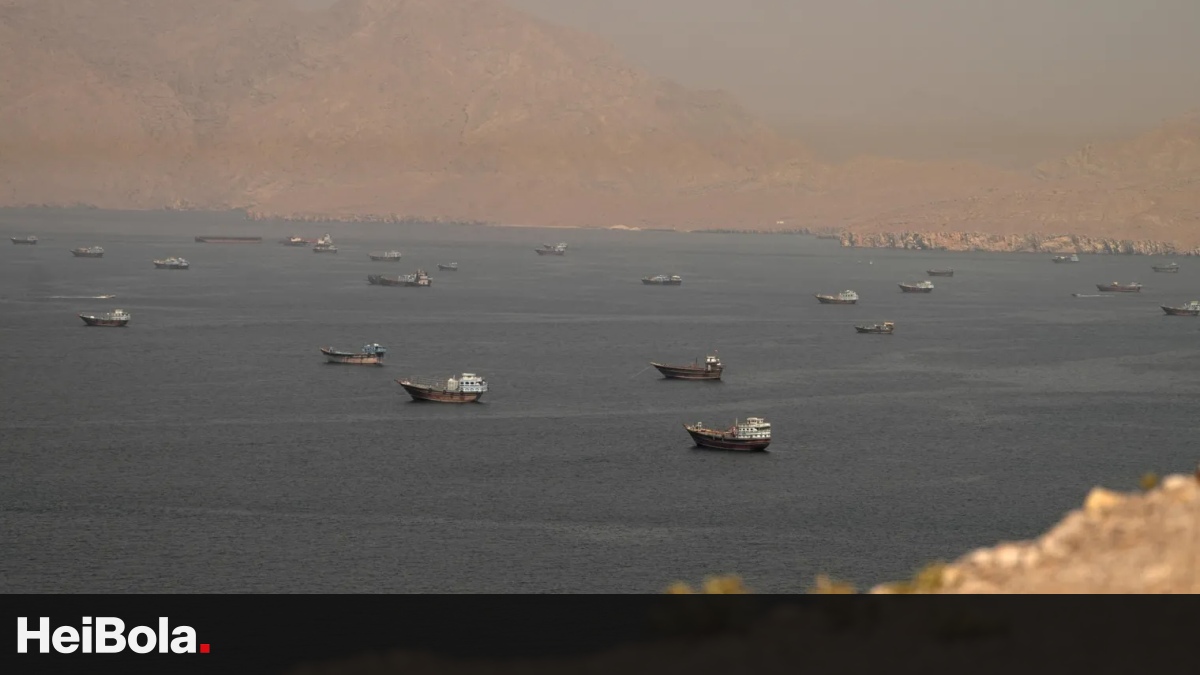
In response, Iran asserted its right to self-defense and criticized the characterization of Palestinian and Lebanese resistance groups as "Iranian proxies." Tehran highlighted that disruptions in the Strait of Hormuz were a direct result of US and Israeli military actions, insisting that the waterway lies within its territorial waters.
Iran's deputy foreign minister, Kazem Gharibabadi, stated that safe passage through the Strait of Hormuz cannot be guaranteed without coordination with Tehran. He stressed that any credible framework for regional security must involve Iran's participation, underscoring the importance of dialogue in ensuring stability in the region.