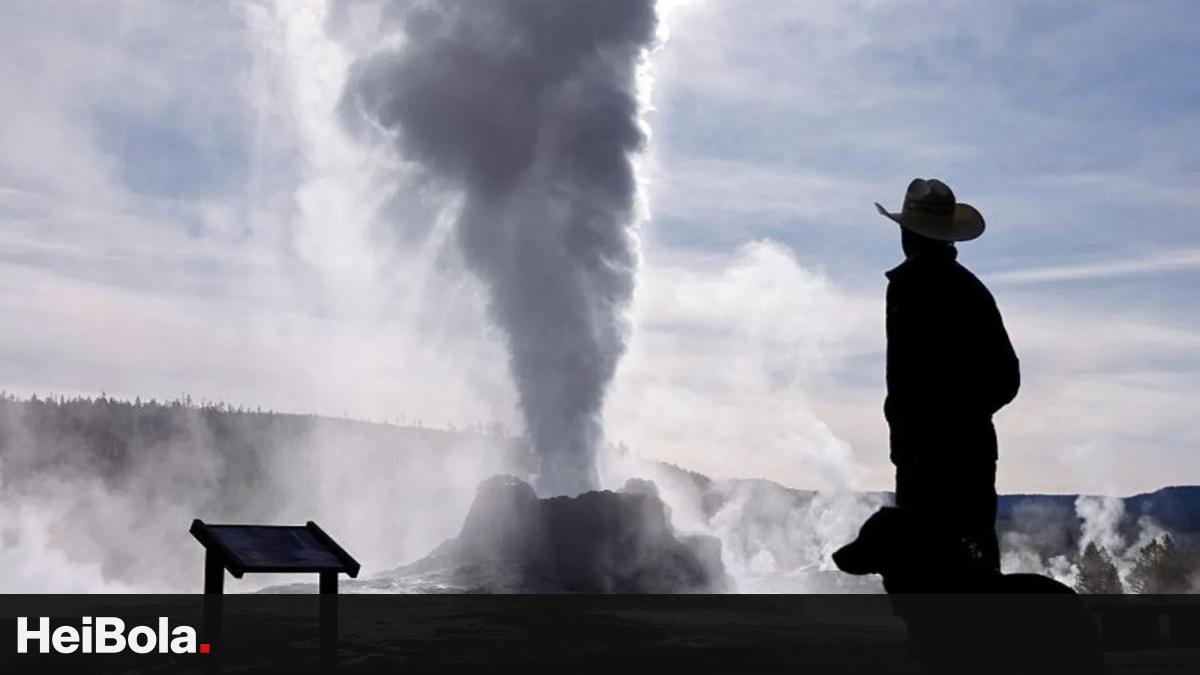
Geothermal energy is gaining bipartisan support in the U.S. as politicians from both parties recognize its potential benefits. This renewable energy source utilizes natural heat from beneath the Earth's surface, with advancements allowing access to hotter and deeper locations than ever before.
In April, U.S. senators introduced the Next-Generation Geothermal Research and Development Act. This legislation aims to direct the Department of Energy to facilitate the development and commercialization of advanced geothermal systems.

One emerging technology is enhanced geothermal systems (EGS), which involves hydraulically fracturing underground rock. This method, similar to fracking in the oil and gas industry, has raised concerns but is viewed as a promising energy source by experts.
Gernot Wagner, a climate economist at Columbia Business School, emphasized the importance of geothermal energy, stating that the benefits outweigh the risks of seismic activity. He noted that geothermal energy is renewable and capable of providing a constant power supply.

To enhance geothermal energy extraction, companies are innovating drilling technologies. Quaise, a firm with ties to MIT, is developing millimetre wave drilling, which uses electromagnetic waves to melt rock, potentially allowing access to geothermal resources worldwide.
While traditional geothermal energy relies on hotspots, millimetre wave drilling could enable extraction from various locations. Quaise plans to implement some conventional drilling in its Oregon project, which aims to be operational by 2030.
Despite the promise of new technologies, the economics of geothermal energy remain challenging. Harry Kelso, Quaise's communications manager, acknowledged that current geothermal systems are more expensive than fossil fuel wells due to lower power output. However, targeting higher temperatures between 300°C and 500°C may improve economic viability.
As the industry progresses, careful design is essential to mitigate potential risks, such as water contamination. Quaise's system will initially require significant water but will recycle it continuously once in operation.